





The Way HMDD Builds Community Via Its “Happy Memories Don’t Die” Ethos
HMDD did not open its story as a catchphrase machine. It started as a turn of words — happy memories don’t die — and those words turned into the catalyst people started paying attention to a fashion line centered on emotional permanence instead of passing fads. Within a market where most companies race after the following product wave, HMDD opted to root itself in a one guiding thought: that the joyful moments in a person’s life are worth wearing, not just recalled. This choice has influenced everything from product design to how the brand engages its audience online.
The standout part of this approach in 2026 is how unwaveringly HMDD has stuck to it. Clothing companies often water down a founding message once expansion demands sets in, trading meaning for volume. Instead, HMDD clothing has doubled down, threading the line across sweatpants, shorts, and outerwear as a recurring thread rather than a one-off marketing hook. Such repeated use is just what turns a catchphrase into a community identifier — a cue fellow wearers pick up on before a even one word is exchanged.
“Happy Memories Don’t Die”: How the Phrase Began
Functioning much like a pledge, the phrase itself carries meaning. Memories fade, images go missing, but a soft pair of sweatpants worn during a particular summer, or a hoodie kept from a college trip, carries a physical memory in a way a phone photo is unable to reproduce. HMDD shaped its entire brand language around this idea, and it comes through in product naming, packaging language, and social captions that repeatedly circle back to the identical emotional tone.
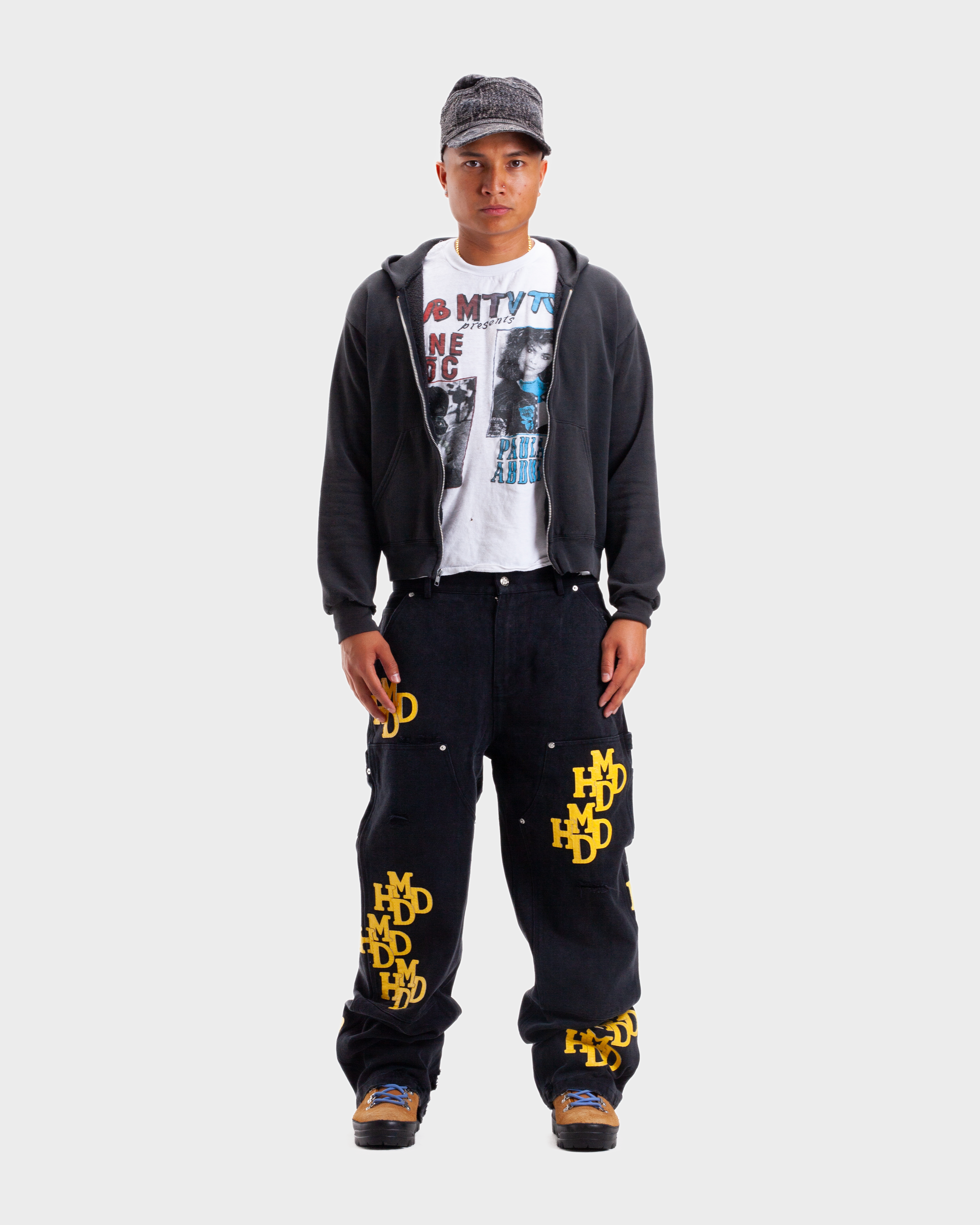
Nothing about this is accidental branding. Grief, nostalgia, and joy are three of the most searched emotional themes in apparel marketing research oversized hoodie over the last five years, and HMDD positioned itself directly at that intersection. People looking up “happy memories dont die” or “happy memories don’t die” online are not just searching for a product — they are in search of phrasing that reflects something they already feel. HMDD answers that search motivation honestly, which is part of why the brand has built genuine loyalty rather than depending solely on paid reach.
What emerges is a sort of feedback loop. Customers post their own memories tagged with HMDD gear, other people see those posts, and the phrase travels via firsthand experience rather than marketing on its own. Such a dynamic is harder to fabricate than a memorable slogan, and it is the real driving force behind HMDD’s expanding fanbase.
HMDDLA: Linking a Hometown Identity with a Global Presence
The HMDDLA brand identity roots the label in a defined place even as it lets its core message to go worldwide. For a long time, Los Angeles has been where streetwear labels prove themselves, with HMDDLA fully leaning into that tie without losing the heart of what the brand stands for. Simultaneously, it points to both backstory and authenticity — a nuance that connects with buyers looking for proof that a brand is genuinely rooted somewhere, not just a warehouse and a website.
This interplay between hometown roots and worldwide appeal also surfaces in how HMDD engages online. Rather than relying solely on aspirational-style imagery, HMDD’s content tends to spotlight actual customers, lived-in settings, and honest captions rooted in particular memories. As a result, the space between brand and buyer shrinks. Someone doesn’t need to reside in Los Angeles to feel connected to HMDDLA; what matters is recognizing the emotional throughline carried by that location.
Community-driven fashion brands that survive past their first few years tend to share this trait: they let customers co-author the meaning of the brand. HMDD’s use of HMDDLA as a geographic and emotional anchor gives fans a specific place to project their own stories onto, which strengthens retention far more than discount codes ever could.
Casual Attire as Message: Sweatpants, Shorts, and Daily Essentials
A label’s message only holds up if the garment actually embodies it. HMDD sweatpants and HMDD shorts are treated as daily staples rather than infrequent statement garments, and such frequent use is significant. Frequent wear means an item slowly fills up with memories — an idle Sunday, a trip on the road, a late night spent with friends. This is exactly what HMDD’s product strategy taps into — core pieces stay in ongoing rotation rather than disappearing after one season.
This is likewise the point at which “best hmdd clothing” queries generally funnel customers: shoppers comparing coziness, fit, and long-term wear before determining which item ends up as part of their routine wardrobe. Compared with outerwear or occasion wear, sweatpants and shorts get worn far more frequently, and that’s exactly what makes them such a perfect way to deliver a message about memories that stick. With each use come more moments, and the tag’s wording slowly shifts from decorative to true.
Rather than leaning on elaborate capsule drops, HMDD opted to build its lineup around these staples—a choice that also lowers friction for new customers.
More often than not that a person reading an HMDD review is evaluating shorts or sweatpants they’d use three times a week, rather than a limited jacket worn only three times a year.
The community strategy and that accessibility aren’t separate—it is part of the strategy itself.
Decoding What HMDD Reviews Reveal Regarding Collective Trust
Reviews are where brand promises get put up against reality. A typical HMDD review is rarely just about seam quality or the weight of the fabric — more often than not it brings in a nod toward how the item felt to wear during a particular stretch of the customer’s life. That pattern is unusual. Typical fashion reviews concentrate almost exclusively on cut and fabric; HMDD’s reviews frequently blend product feedback with personal narrative, which is a direct sign the label’s messaging has resonated beyond marketing copy.
For shoppers who are new working out how to choose between HMDD and other streetwear-adjacent labels, this carries real weight. If customers leaving feedback consistently pair emotional context with practical detail, this is a sign that the “happy memories don’t die” concept is more than words on a hangtag — it is actively influencing the way people discuss the product after purchase. That kind of organic reinforcement is difficult for competitors to replicate quickly, since it depends on a message kept consistent across time, not a single campaign.
Over time, community confidence builds, because every honest review provides a modest measure of trust that upcoming customers can lean on — and because HMDD chooses to let personal accounts appear publicly, rather than only curating polished lifestyle shots, its review ecosystem has remained genuine approaching 2026.
Setting side by side HMDD’s Method to Typical Street-style Brand-Building
| Key component | A run-of-the-mill streetwear label | HMDD instead |
|---|---|---|
| Label’s central message | Riding fads and hype | A sense of lasting sentiment (“happy memories don’t die”) |
| What the product centers on | Exclusive drops, frequent turnover | Reliable basics such as sweatpants and shorts that stay in constant use |
| Consumer content | Stylized lifestyle imagery that feel curated | True customer experiences anchored in distinct moments |
| Geographic identity | Typically ambiguous or generic | Grounded in HMDDLA, connecting Los Angeles origin to global reach |
| The way reviews are framed | Focused on fit and shipping speed | Merges functional feedback with personal narrative |
This breakdown isn’t claiming HMDD overlooks fit, delivery speed, or core product standards — those basics still count to any apparel brand’s survival. Rather, it reveals where HMDD decides to invest its brand energy in a distinct direction, building emotional connection into the practical experience shoppers typically expect anyway.
Building Community, Rather Than Simply Sales , and Cultivates True Belonging In Its Place
A slogan transforms into a unifying tool when it offers folks a reason to connect with one another, not just to the brand. Since it leaves room for individual meaning, HMDD’s phrase works. For one customer, “happy memory” might mean a wedding weekend; for someone else, it might instead be recovering from a hard year. The phrase is broad enough to hold both without feeling generic, and that flexibility is what turns individual purchases into a shared identity.
Uncertainty about a new brand fades once customers observe others posting about HMDD clothing in the context of real milestones — this kind of visible endorsement factors in just as much. It’s especially the case among shoppers stacking HMDD up against competing brands while searching for the best HMDD clothing as an entry piece — the sweatpants-and-shorts pairing tend to be the natural entry point given their affordable pricing and everyday practicality.
As 2026 progresses, the brands that keep customer attention will likely be the ones handing shoppers something meaningful to believe in, not just merchandise to acquire. HMDD’s bet on a single sentiment-driven line, reinforced consistently across HMDDLA identity, product design, and customer reviews, has positioned it as more than a mere clothing company. It has turned into a small, wearable reminder that the memorable experiences people go through are deserving of being kept — and worth wearing again.